

Explore Healthcare Careers in North Central Indiana
Healthcare offers many paths and everyone starts somewhere. Explore careers available in our region, including high-demand roles that offer strong starting points and opportunities to grow into long-term careers over time.
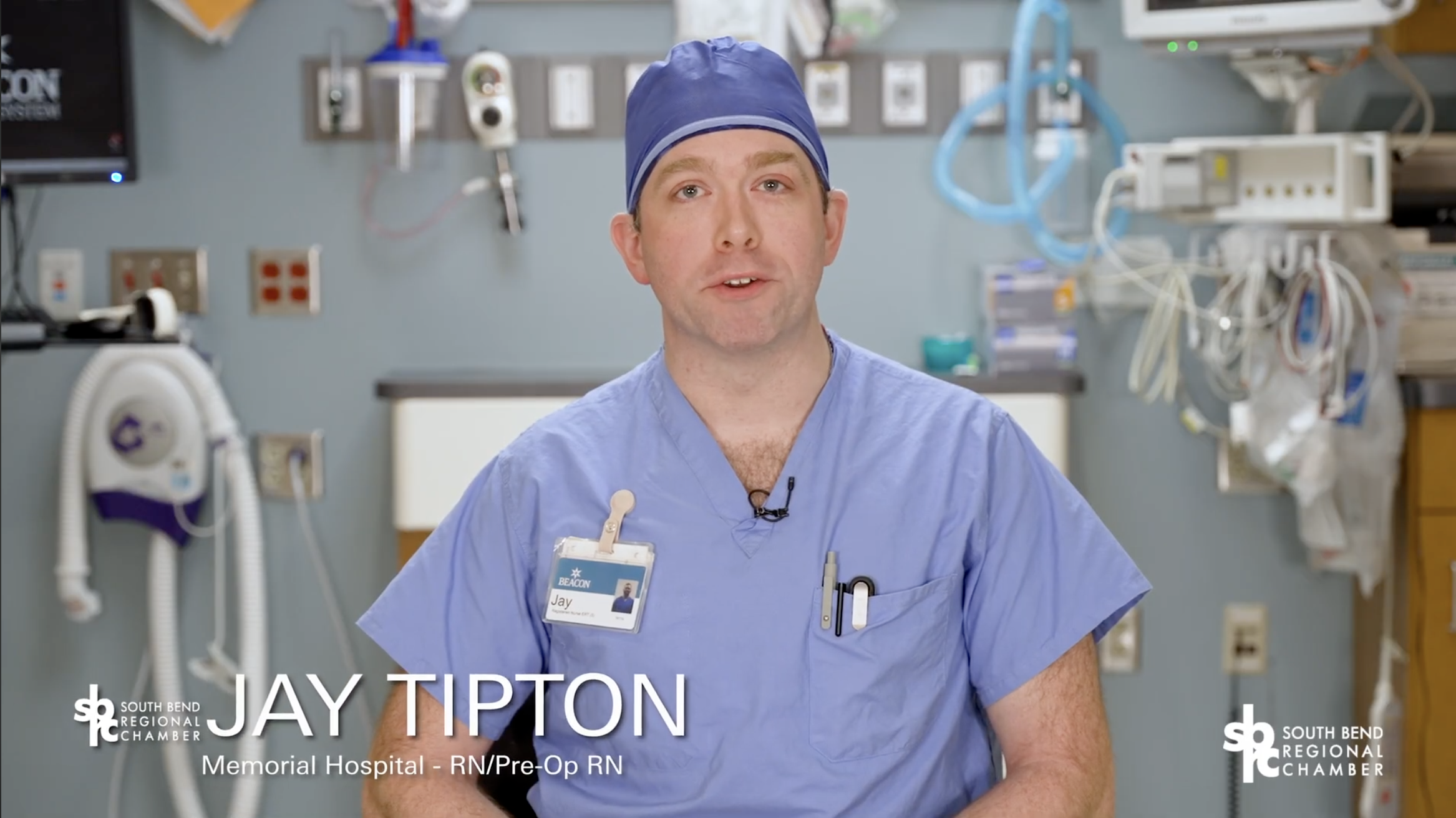
Testimonials
A Day in the Life of a Registered Nurse
Hear directly from healthcare professionals in this web series, brought to you by the South Bend Regional Chamber, that helps visualize a life in the day of what it is like to work in healthcare.
High-Demand
Healthcare Careers
Based on input from local healthcare employers, these roles are especially important to our region right now. They often require little to moderate education, offer hands-on experience, and serve as strong starting points into healthcare careers.


Medical Assistant
Builds skills used across many healthcare careers.
Supports care teams by assisting with exams, taking vitals, and managing patient information.
Nursing Aide
A common entry into nursing and other clinical roles.
CNAs provide daily care and support to patients in hospitals and long-term care settings.
Personal Home Aide
High demand and strong exposure to patient care.
Supports individuals with daily care needs in home and community settings.

Licensed Practical Nurse
A key step in many long-term nursing pathways.
While not usually a first healthcare job, LPN roles are a common early step for people building a nursing career.
Explore All
Healthcare Career Areas
Healthcare includes a wide range of roles — from hands-on patient care to technology, administration, and community support.








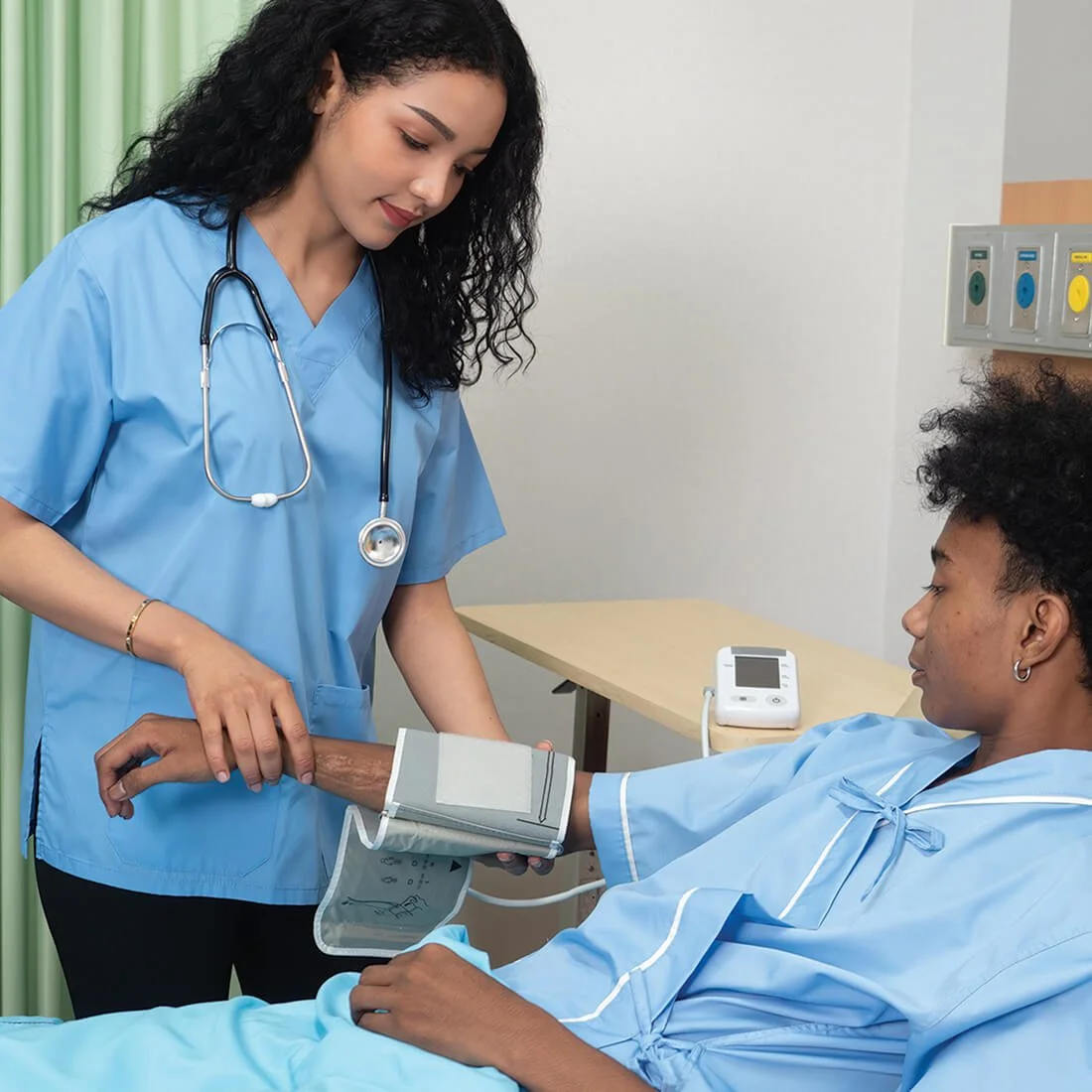

Patient Care &
Clinical Support

Who this is for:
Students who enjoy helping people directly, working in team environments, and making a difference in patients’ lives.
Why it matters:
Patient care professionals are the backbone of healthcare. These roles are in high demand and offer strong job stability and advancement opportunities.
What these careers involve:
Providing patient care in hospitals, clinics, and emergency settings
Assisting doctors and nurses
Monitoring health and recovery
Entry roles Include:
Certified Nursing Assistant (CNA)
Nursing Aide
Medical Assistant
Personal / Home Health Aide
Patient Care Technician
Emergency Medical Technician (EMT)
advanced roles include:
Licensed Practical Nurse (LPN)
Registered Nurse (RN)
Paramedic
Nurse Practitioner
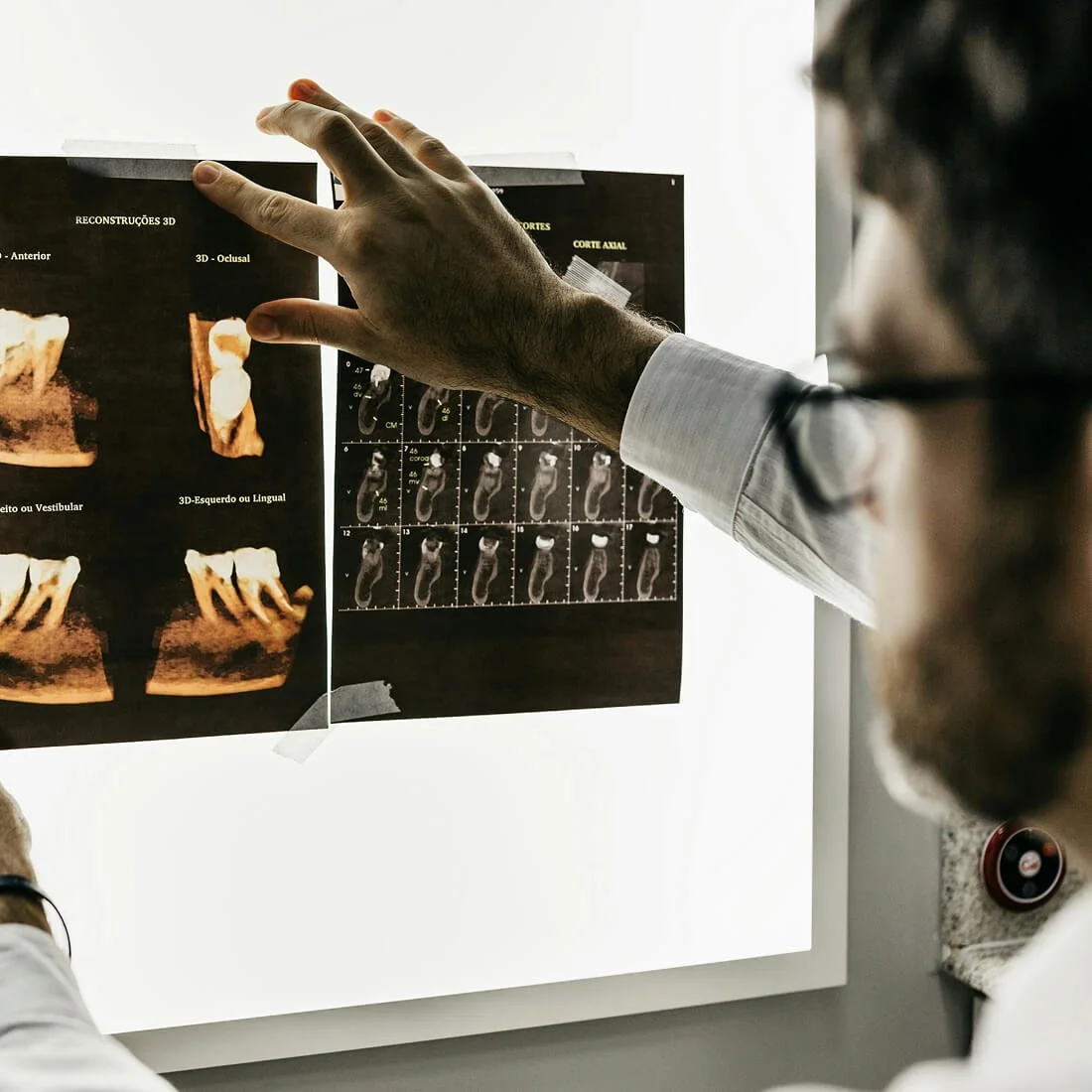

Diagnostic, Lab
& Imaging
Who this is for:
Students who enjoy science, technology, and problem-solving, often behind the scenes.
Why it matters:
These roles help doctors diagnose and treat patients accurately. Many offer excellent pay and shorter training timelines.
What these careers involve:
Running lab tests
Taking medical images (X-rays, MRIs)
Supporting accurate diagnoses
Entry roles Include:
Phlebotomist
Lab Assistant
advanced roles include:
Medical Laboratory Technician
Radiologic Technologist
Ultrasound Technician
MRI / CT Technologist


Behavioral &
Mental Health
Who this is for:
Students interested in psychology, counseling, and helping others manage emotional and mental well-being.
Why it matters:
Mental health is a growing priority. These careers help strengthen individuals, families, and entire communities.
What these careers involve:
Supporting mental health and wellness
Counseling individuals and families
Crisis intervention and community care
Entry roles Include:
Behavioral Health Technician
Peer Support Specialist
Community Health Worker
advanced roles include:
Counselor
Therapist
Social Worker
Psychologist


Therapy &
Rehabilitation

Who this is for:
Students interested in helping people recover, improve movement, or regain independence after illness or injury.
Why it matters:
These professionals help patients return to daily activities and improve quality of life.
What these careers involve:
Supporting physical recovery and mobility
Assisting patients with daily tasks
Creating treatment and therapy plans
Entry roles Include:
These careers are often pursued after gaining experience in other entry-level healthcare roles.
advanced roles include:
Physical Therapist
Occupational Therapist
Respiratory Therapist
Speech-Language Pathologist


Dental &
Oral Health
Who this is for:
Students interested in hands-on healthcare and helping people maintain healthy smiles, often in smaller team settings.
Why it matters:
Oral health is a vital part of overall health, and dental teams play a key role in prevention and care.
What these careers involve:
Assisting with exams and procedures
Cleaning teeth and supporting oral health
Correcting tooth and jaw alignment
Entry roles Include:
Dental Assistant
Dental Office Coordinator
advanced roles include:
Dental Hygienist
Dentist
Orthodontist
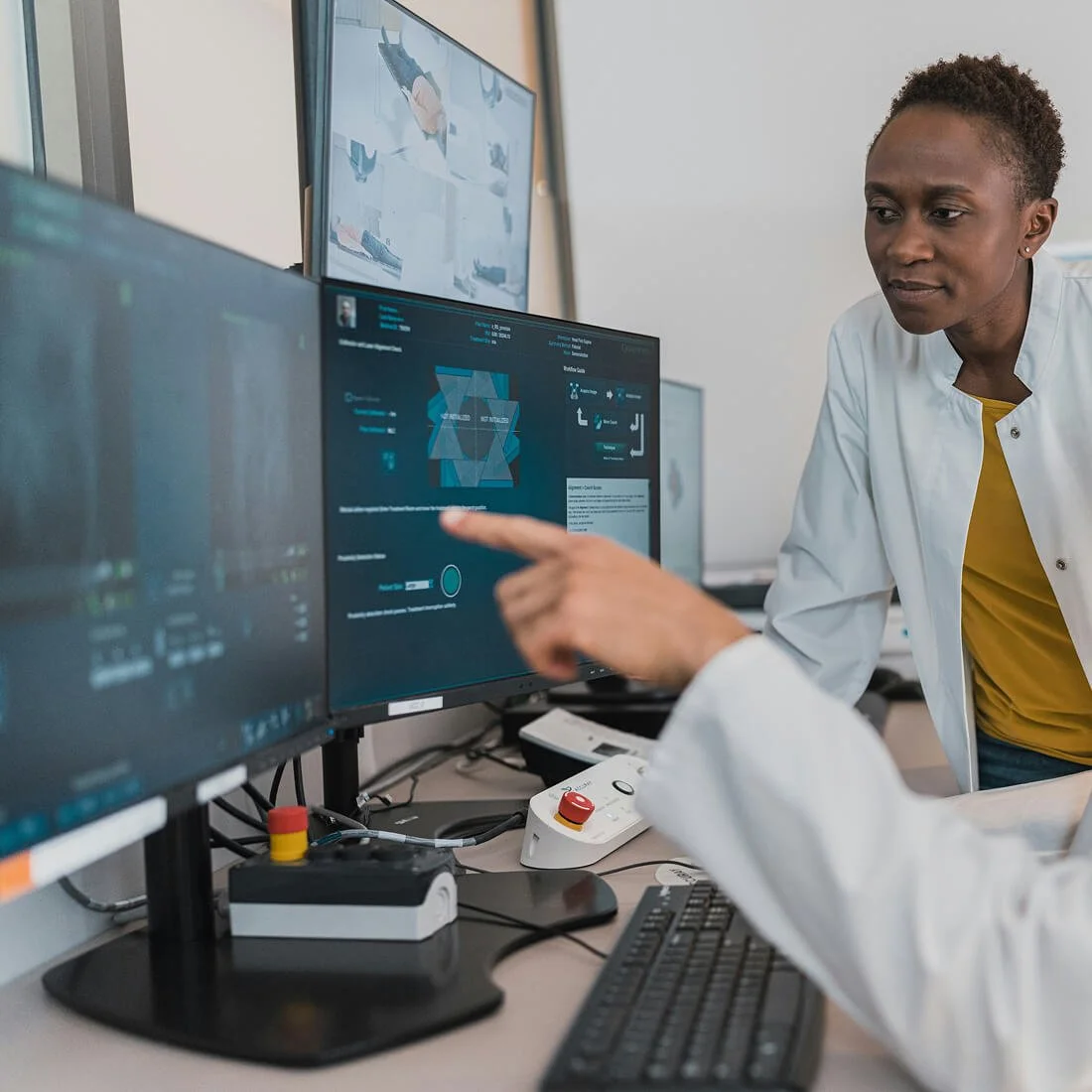

Health Technology
& Informatics
Who this is for:
Students who enjoy technology, data, and systems — and want to work in healthcare without direct patient care.
Why it matters:
Healthcare relies on technology more than ever. These roles keep systems running and information secure.
What these careers involve:
Managing electronic health records
Supporting healthcare technology systems
Analyzing health data
Entry roles Include:
Health IT Support Specialist
Medical Records
Health Information Technician
advanced roles include:
Healthcare Data Analyst
Clinical Informatics Specialist
Health Information Manager


Healthcare Admin
& Operations
Who this is for:
Students interested in business, leadership, organization, and problem-solving.
Why it matters:
These roles keep healthcare organizations running smoothly and efficiently.
What these careers involve:
Managing healthcare departments
Scheduling, billing, and coordination
Supporting patient experience behind the scenes
Entry roles Include:
Medical Office Coordinator
Patient Registration / Scheduling
Billing & Coding Specialist
advanced roles include:
Practice Manager
Healthcare Administrator


Support &
Facilities

Who this is for:
Students who enjoy hands-on work, teamwork, and supporting others in practical ways.
Why it matters:
Healthcare environments rely on safe, clean, and well-maintained facilities to function properly.
What these careers involve:
Maintaining clean and safe spaces
Transporting patients and equipment
Supporting daily operations
Entry roles Include:
Environmental Services
Patient Transporter
Food Services
Facilities / Maintenance
advanced roles include:
Many people begin their healthcare careers in entry roles like these before moving into other areas of healthcare.
Frequently Asked Questions
You don’t need to have it all figured out. Most people working in healthcare today didn’t know exactly what they wanted to do at first. These FAQs are here to help you explore, ask questions, and understand your options.
-
Not necessarily.
Some healthcare roles use math more often, but many focus on people skills, organization, communication, or technology. Even in roles that use math, it’s usually practical, everyday math — and you’ll get training and tools to help.
If you care about helping people, don’t rule out healthcare just because math feels hard right now.
-
No — not at all.
Healthcare includes hundreds of different jobs, many of which don’t involve medical school or direct patient care. There are careers in:
Technology
Lab science
Mental health
Administration
Equipment and facilities
Patient support
Doctors and nurses are important — but they’re just part of a much bigger team.
-
You don’t have to decide now.
Middle school and early high school are about exploring, not choosing. Most people don’t decide on a specific healthcare career until late high school or even after graduation.
Exploring early just gives you more options later.
-
Yes — many healthcare careers allow you to start working within 1–2 years after high school, or sometimes sooner.
Examples include:
Certified Nursing Assistant (CNA)
Medical Assistant
Phlebotomist
Behavioral Health Technician
Sterile Processing Technician
Healthcare administrative roles
These careers can also be stepping stones to advanced roles later.
-
Not always.
Some roles require college degrees, but many healthcare jobs start with:
Certifications
Technical training
On-the-job learning
Community college programs
College is one path, not the only path.
-
That’s okay — you still have options.
Many healthcare jobs don’t involve blood, medical procedures, or hospital settings. Some roles are:
Office-based
Technology-focused
Lab-based
Community-based
Behind-the-scenes
Healthcare needs people with many different strengths.
-
Helpful classes can include:
Science (biology, anatomy, chemistry)
Health or medical courses
Math (at your level)
Technology or computer classes
Communication or psychology
There’s no “perfect” schedule — doing your best and staying curious matters more.
-
That’s completely normal.
Healthcare careers are often flexible and transferable. Many people:
Change roles within healthcare
Go back to school while working
Move between clinical and non-clinical jobs
Changing direction doesn’t mean starting over.
-
Yes — especially in our region.
Healthcare is one of the fastest-growing industries, and many communities need more trained professionals. That means:
Strong job demand
Long-term stability
Opportunities close to home
What’s Your Next Step?

ENGAGE
Learn By Doing
Explore healthcare through hands-on experiences like internships, job shadows, and career events.

EXPERIENCE
Build Your Career
Find entry-level healthcare jobs and career opportunities that help you grow in the workforce.